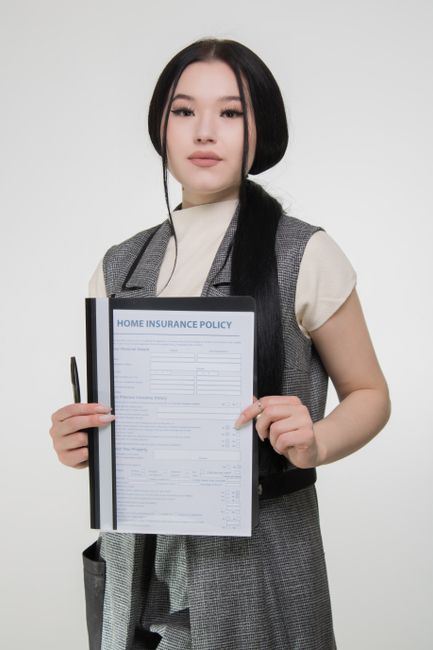
Licensing and insurance requirements for Kennington cleaners
If you are hiring a cleaner in Kennington, or you run a cleaning business yourself, the licensing and insurance requirements for Kennington cleaners can feel a bit foggy at first. Do you need a licence? What insurance is actually necessary? And how do you tell the difference between a nice-sounding promise and real protection?
Truth be told, most people do not ask these questions until something goes wrong. A spill, a breakage, an accident on the stairs, a missed compliance check. That is usually when the paperwork suddenly matters. This guide breaks the topic down in plain English, so you can see what is usually required, what is good practice, and what to look for before you let anyone near your carpets, upholstery, or commercial premises.
We will cover the legal basics, insurance types, practical checks, common mistakes, and a simple way to judge whether a cleaner is set up properly. If you want confidence, not guesswork, you are in the right place.
Why licensing and insurance matters
For cleaners in Kennington, licensing and insurance are not just admin. They are part of trust. Customers invite cleaners into homes, flats, offices, and shared buildings where there may be expensive flooring, delicate furniture, stairwells, alarms, key systems, or residents who simply want everything handled carefully. A proper insurance setup is what turns a bad day into a manageable one.
Licensing is a slightly trickier subject because cleaning itself is not usually a heavily licensed trade in the UK in the way that food businesses or certain specialist trades can be. That said, some cleaning businesses may still need registrations, permissions, or landlord/building access approval depending on how they operate. For example, if a cleaner also handles waste removal, chemicals, or work in managed commercial buildings, other requirements can come into play. So while the word licensing gets used broadly, the real question is usually: what legal permissions, policies, and insurance cover should a Kennington cleaner have in place?
Why does it matter so much in a local area like Kennington? Because customers are often comparing cleaners quickly. One person wants a one-off sofa clean before guests arrive on Friday evening. Another needs a regular commercial carpet clean in a small office near the station. In both cases, peace of mind matters. If a technician knocks over a lamp or leaves a water mark, can the business handle it properly? If someone slips on a wet floor, is there public liability cover? Those are not abstract questions. They are the real ones.
Key takeaway: the right licensing and insurance setup protects the customer, protects the cleaner, and makes the whole service easier to trust. No drama, no vague promises, just proper groundwork.
How licensing and insurance requirements for Kennington cleaners works
The simplest way to understand this topic is to separate it into three layers: legal permission, insurance cover, and business practice. They are related, but not identical.
1. Legal permission or registration
Some cleaners work as sole traders, some operate through limited companies, and some handle specialist tasks that bring extra obligations. A general cleaning service may not need a specific trade licence, but it may still need to comply with business registration, tax, local property access rules, waste handling rules, or building management requirements. If a cleaner works in a commercial building, the landlord or managing agent may also require proof of insurance before work starts. That is very common.
2. Insurance cover
This is the part most customers care about first, and fair enough. Insurance typically covers the risks that come with cleaning work. The exact cover needed depends on the service type, the tools used, whether the cleaner has staff, and whether they work in homes, offices, or shared buildings. A basic setup is not the same as a commercial outfit with multiple vans, multiple staff, and keyholding duties.
3. Operating standards
Even if no specific licence is required, a professional cleaner should still follow clear procedures. Think of risk assessments, safe chemical handling, proper training, clear booking terms, and a documented complaints process. These things sound dull until you need them. Then they suddenly feel very useful.
In practice, a customer may ask for insurance before confirming a booking, especially for larger jobs like commercial carpet cleaning or specialist fabric work. Smaller domestic jobs can be less formal, but the risk is still there. A cleaner working on a family sofa on a rainy Kennington afternoon can still cause damage if equipment is not set up correctly. Insurance does not remove that risk, but it gives everyone a sensible backstop.
One more thing: people often assume a business website saying "fully insured" is enough. It is not. Ask what type of insurance is held, whether it is current, and whether it matches the service being offered. A polished homepage is nice. A valid policy is nicer.
Key benefits and practical advantages
Getting licensing and insurance right is not just about avoiding problems. It creates practical advantages that show up in day-to-day work.
- More customer confidence: People are more likely to book when they know the cleaner is insured and professionally set up.
- Smoother commercial work: Offices, landlords, and managing agents often want evidence before work begins.
- Better risk control: Insurance, policies, and procedures encourage careful work, which often improves results too.
- Clearer expectations: Terms, limits, and complaint routes reduce confusion when something does not go to plan.
- Protection for equipment and accidents: Mistakes happen. A dropped steam machine, a chemical spill, or a wet patch on a hallway floor can become expensive quickly.
- Stronger reputation: In a competitive local market, trust is part of the product.
There is also a quieter benefit that people sometimes miss: good cover and clear compliance tend to attract better clients. If a cleaner is set up properly, they can take on more structured work, such as recurring contracts, specialist upholstery projects, or larger homes with stricter access needs. It opens doors, basically.
For customers, the benefit is simple. You are not just buying cleaning time. You are buying a process that can stand up if something goes wrong. That is a big deal when the work involves expensive carpets, heirloom furniture, or high-traffic business spaces.
Who this is for and when it makes sense
This topic matters to two main groups, and honestly both sides benefit from the same practical logic.
If you are a cleaner, you need to know which protections and permissions fit your setup. A solo cleaner doing domestic jobs will need something different from a business covering multiple office sites or specialist deep cleans. If you use chemicals, equipment with heat or pressure, or work in properties with public access, your risk profile changes. That means the paperwork should change too.
If you are a customer, you need to know what to ask for before you book. You do not need to become a compliance expert overnight. But you do need enough knowledge to spot weak answers. "We've never had a problem" is not the same thing as having proper insurance. Let's be fair, that line is about as reassuring as a kettle with no plug.
This matters especially when you are booking:
- carpet and rug cleaning in private homes
- upholstery cleaning on sofas, chairs, or fabric headboards
- steam cleaning for allergy-sensitive households
- commercial cleaning where a landlord or facilities manager asks for documents
- stain removal on delicate or high-value fabrics
- pet stain and odour removal where chemical treatment and water extraction are involved
If the cleaner works with a team, handles keys, or enters property when no one is present, the need for proper cover and process becomes even more important. That is when people start asking for paperwork, not just a price.
Step-by-step guidance
If you are trying to understand licensing and insurance requirements for Kennington cleaners, the easiest route is to work through the topic in order. No jargon marathon needed.
- Identify the type of cleaning work being offered.
Domestic carpet cleaning, commercial office work, upholstery, curtain cleaning, mattress cleaning, or stain removal all come with slightly different risk levels. - Check whether any specific local permissions apply.
For most standard cleaning, there may be no special trade licence. But if waste is being moved, certain building rules apply, or services overlap with another regulated activity, additional permissions may be needed. - Confirm public liability insurance.
This is the basic one many customers expect. It helps if property is damaged or someone is injured in connection with the work. - Ask about treatment risk and accidental damage.
Insurance is only useful if it fits the kind of cleaning being done. A sofa clean is not the same as an office carpet contract. - Check whether staff are covered.
If a business has employees or subcontractors, the arrangement should be clear. Employers' liability cover is often relevant where staff are employed, though the exact legal position depends on the working arrangement. - Review terms, complaints handling, and safety policies.
Look for a proper complaints route and a health and safety policy. These are good signs that the business is taking its work seriously. - Keep records if you are the cleaner.
Retain policy documents, training notes, risk assessments, and job-specific details. Small jobs become easier when the paperwork is in order.
A real-world example? A cleaner arrives at a flat near Kennington and discovers a new wool rug in the hallway. The client forgot to mention it. If there is a clear process, the cleaner can pause, assess the material, and adjust the method rather than pushing ahead and hoping for the best. That little pause can save a very awkward conversation later.
If you are a customer, ask the following simple question before booking: "What insurance do you carry for this type of job?" The answer should be calm, specific, and not defensive. If someone dodges the question, that tells you a lot.
Expert tips for better results
In our experience, the best cleaning businesses do not treat compliance as a separate job. They weave it into the way they work. That is the difference between a cleaner who just turns up and one who feels genuinely professional.
- Match insurance to the service. A one-size-fits-all answer is usually a warning sign. Upholstery work, steam cleaning, and commercial carpet jobs need different levels of care.
- Keep insurance details easy to share. If a managing agent asks for proof, being able to send it quickly helps you win the job.
- Use written job notes. A few lines about fabric type, pre-existing wear, and customer warnings can prevent confusion later.
- Take before-and-after photos where appropriate. Not for drama. Just for clarity.
- Make safety part of the quote. If a job needs extra time for setup, drying, or access management, build that in rather than rushing.
- Do not overpromise. Saying "we can remove anything" sounds bold until a dye stain laughs in your face.
- Have a clear escalation route. If a customer raises a complaint, respond quickly and calmly. That is good business and good manners.
Also, if you are comparing providers, ask whether they have policies for safety, complaints, and data handling. A cleaning company that also keeps customer details, keys, or access codes should treat those things seriously. Many do. Some less so. You can usually tell within a minute of talking to them.
Common mistakes to avoid
Most compliance problems in cleaning are not dramatic legal scandals. They are ordinary little oversights that snowball.
- Assuming every cleaner has the same cover. They do not. Two businesses can sound identical but operate very differently.
- Confusing "insured" with "fully protected." Insurance has limits, exclusions, and conditions.
- Not checking the type of policy. Public liability, employers' liability, and treatment risk are not interchangeable.
- Ignoring building rules. Some flats and commercial premises require advance notice, access approval, or proof of insurance.
- Failing to mention delicate items. A silk chair, specialist rug, or antique finish changes the job materially.
- Booking on price alone. Cheap is not always bad, but cheap with no paperwork is a gamble.
- Skipping written terms. If something goes wrong, verbal promises can get messy very quickly.
There is a very human temptation here: if the carpet looks grim and you want it fixed by tomorrow, you may skip the checking stage. We all do it sometimes. But a five-minute pause can prevent a five-week headache. That is not an exaggeration either.
Tools, resources and recommendations
You do not need a cupboard full of specialist tools to handle compliance well. A few simple systems go a long way.
- Insurance policy documents: Keep them current and easy to access.
- Job intake form: Record fabric types, access notes, stains, and customer concerns before the work begins.
- Risk assessment template: Helpful for commercial work, shared buildings, and jobs involving chemicals or steam equipment.
- Terms and conditions: Set expectations on cancellations, access, liability, and complaints.
- Health and safety policy: Useful for both small and growing businesses. It does not need to be wordy, just clear.
- Pricing and quote process: A consistent quoting method helps you explain what is and is not included. If you want a sense of how a structured approach looks, see the business's pricing and quotes information.
For customers, a short pre-booking checklist helps. Ask for the policy type, ask how damage claims are handled, and ask what happens if the cleaner needs to reschedule due to access issues or a safety concern. Those are ordinary questions. Good businesses expect them.
If you are comparing services such as carpet cleaning, sofa cleaning, or upholstery cleaning, the same principle applies: the more delicate or expensive the item, the more important it is that the business can show proper cover and sensible process.
Law, compliance, standards and best practice
This is the bit where people often want a neat answer, but the real world is a little messier. There is not usually a single "cleaning licence" that every Kennington cleaner must hold for all services. Instead, compliance is usually made up of overlapping duties and expectations.
Business and tax setup: A cleaner may operate as a sole trader or a company, and that determines how the business is run and recorded. That is basic structure, but it affects everything else.
Insurance expectations: Public liability insurance is commonly expected where there is any meaningful risk of property damage or injury. Employers' liability insurance may be relevant where staff are employed. Some commercial clients also ask for evidence of treatment risk cover or similar protection for specialist services.
Health and safety duties: A professional cleaner should work in a way that reduces risk to staff, customers, and property. That usually means proper handling of chemicals, safe cord management, basic equipment checks, and sensible drying and ventilation practices. If you offer high-moisture services such as steam carpet work, the drying plan matters more than people think.
Contractual clarity: Terms and conditions, access arrangements, and complaints handling should be spelled out. If a customer has to chase a business three times just to understand what happens when something is damaged, that is not a great sign.
Ethical operation: Good practice includes fair treatment of workers, accurate advertising, responsible waste handling, and honest claims about results. If a business also has a modern slavery statement or sustainability policy, that can signal a more structured operation, especially for commercial clients. You can review a company's modern slavery statement and recycling and sustainability information if those matters are important to your decision.
There is also the human side of compliance. A cleaner who explains risks clearly, turns up with the right equipment, and leaves the place tidy is often doing compliance well even before you see the paperwork. That said, the paperwork still matters. It backs up the behaviour.
Options, methods, and a comparison table
If you are comparing providers or building your own cleaning business, it helps to look at the main service and protection options side by side. The table below is not a legal checklist. It is a practical comparison of what people commonly look for.
| Option | Typical use | Insurance/compliance focus | Best for |
|---|---|---|---|
| Domestic cleaner | Homes, flats, regular visits | Public liability, clear terms, basic safety procedures | Routine household cleaning and small jobs |
| Specialist carpet cleaner | Deep carpet care, stain treatment, steam work | Public liability, equipment handling, treatment risk awareness | Carpets, rugs, and heavily used flooring |
| Upholstery or sofa cleaner | Fabric furniture, cushions, headboards | Accidental damage cover, fabric assessment, careful method selection | Delicate items and higher-value furnishings |
| Commercial cleaner | Offices, shops, managed buildings | Public liability, staff cover, site-specific access and safety compliance | Contract work and business premises |
| Specialist stain-removal service | Problem spills, odours, pet accidents | Clear exclusions, pre-treatment checks, realistic expectations | Targeted rescue work where outcomes vary |
If you are a customer, the useful question is not "which sounds best?" but "which setup matches my risk?" A sofa clean after a party is one thing. A commercial contract with shared hallways and keyholding is another. Different jobs, different cover. Simple as that.
Case study or real-world example
Imagine a small Kennington office with a narrow hallway, a few carpeted rooms, and regular foot traffic from staff and visitors. The manager needs a cleaner to handle stains, refresh the flooring, and work outside business hours. Straight away, the risk profile changes. There are cables under desks, a shared building entrance, and likely a time pressure to finish before the first meeting of the day.
A well-prepared cleaner will usually do a few things before starting: ask for the site layout, confirm access times, check whether the building management wants proof of insurance, and note any fragile items or existing marks. If steam cleaning is involved, they will also think about drying time and ventilation, because nobody wants damp carpets and a musty smell greeting staff at 8:30 the next morning.
Now compare that with a one-off domestic upholstery job in a flat. The risks are smaller, but they still exist. A hidden dye bleed, a water mark, or a tripped cable can cause trouble. The cleaner who has a clear process and valid cover can handle those issues calmly. The cleaner who does not may end up in a long, awkward back-and-forth. Nobody enjoys that. Not really.
This is why licensing and insurance requirements for Kennington cleaners should never be treated as background noise. They are part of service quality. You can often feel the difference in the first conversation: one business sounds prepared, the other sounds like it is winging it a little.
Practical checklist
Use this checklist before booking a cleaner or before taking on work yourself.
- Confirm the exact cleaning service being offered.
- Ask whether any local building rules or permissions apply.
- Request proof of current insurance.
- Check whether the policy matches the job type.
- Ask how damage or complaints are handled.
- Make sure terms and conditions are available.
- For business premises, confirm access times and site requirements.
- For delicate items, mention fabric type, age, and known stains in advance.
- Check whether the cleaner uses a written quote or job record.
- Make sure safety, drying, and aftercare are explained clearly.
- If staff are involved, ask who is actually attending the job.
- Keep a copy of any relevant documents for your own records.
Quick sanity check: if the conversation feels rushed, vague, or oddly resistant to basic questions, slow down. A professional cleaner should be able to explain things without getting prickly. If they cannot, that is useful information too.
Get a free quote today and see how much you can save.
Conclusion
Licensing and insurance requirements for Kennington cleaners are not about box-ticking for the sake of it. They are about trust, safety, and making sure the work is backed by a real professional structure. In many cases, the main issue is not a formal trade licence, but the combination of business setup, insurance cover, clear terms, and sensible operating standards.
If you are hiring a cleaner, ask the direct questions. What insurance do you hold? What does it cover? How do you handle damage or complaints? If you are running a cleaning business, make the answers easy to show, not just easy to say. That one change can improve confidence more than a shiny flyer ever will.
And honestly, that is the whole point. Proper cover and clear practice make life simpler for everyone involved. A bit less guesswork. A bit more peace of mind. Nice, really.
Frequently Asked Questions
Do Kennington cleaners need a specific licence to operate?
Usually, general cleaning services do not require a dedicated trade licence in the way some regulated activities do. However, cleaners may still need to comply with business registration, tax, building access rules, and any permissions relevant to the type of work they carry out.
What insurance should a cleaner in Kennington have?
Public liability insurance is the most commonly expected cover because it helps if property is damaged or someone is injured. If the cleaner employs staff, employers' liability may also be relevant. Specialist jobs may need additional cover depending on the risks involved.
Is insurance important for domestic cleaning too?
Yes. Even small domestic jobs can lead to accidental damage, staining, or injury. A knocked-over lamp or a wet floor in a hallway can become expensive very quickly. Insurance helps protect both the cleaner and the customer.
How can I check if a cleaner is insured?
Ask directly for the insurance type, the cover level, and the expiry date. A professional cleaner should be able to explain this clearly and provide evidence if needed, especially for commercial or higher-value work.
Do commercial clients usually ask for proof of insurance?
Very often, yes. Offices, landlords, managing agents, and facilities teams commonly want proof before work starts. It is a normal part of the booking process, not a sign that the client is being awkward.
What is the difference between public liability and employers' liability?
Public liability generally relates to damage or injury involving third parties, such as a customer or visitor. Employers' liability relates to employees. They are different covers and should not be treated as interchangeable.
Does steam cleaning need special insurance?
Steam cleaning itself does not automatically require a special licence, but it does raise practical risks such as moisture damage, electrical safety, and drying issues. A cleaner should have suitable insurance and a sensible method for handling those risks.
Should a cleaner have written terms and conditions?
Yes, absolutely. Written terms help explain cancellations, access, liability, complaints, and what is included in the service. They reduce misunderstandings and make the business look much more professional.
What if a cleaner damages something during a job?
If the cleaner is properly insured, they should have a process for reporting and handling the issue. The exact outcome depends on the policy and the facts of the situation. This is one reason why checking insurance before work starts is so useful.
Are there extra requirements for cleaners working in flats or managed buildings?
Sometimes, yes. Building managers or landlords may require advance notice, proof of insurance, access approval, or specific working hours. These are not always legal rules, but they can still be mandatory for that property.
How often should a cleaning business review its insurance?
At least once a year, and sooner if the business changes in a meaningful way. New staff, new equipment, commercial contracts, or new specialist services can all affect what cover is needed.
What is the biggest mistake customers make when hiring a cleaner?
Booking purely on price without checking insurance or service terms. A low quote can be fine, but not if it comes with vague answers and no protection. A quick check up front usually saves a headache later.
What should a trustworthy cleaner be able to explain clearly?
They should be able to explain what insurance they hold, what their service includes, how they manage risk, and what happens if something goes wrong. If those answers are hazy, that is worth noticing.
Can a cleaner still be professional without a fancy website?
Of course. The website does not make the cleaner. But the cleaner should still be able to show proper documentation, sensible procedures, and clear communication. A polished site is nice; a solid operation is better.
Final note: if you are comparing providers in Kennington, look for calm answers, clear paperwork, and a steady approach. That is usually where the real quality shows up.