Stain Removal in Everyday Life: Practical Methods, Smart Prevention, and Fast Results
Stain removal is one of those everyday skills that can save time, money, and a lot of frustration. Whether you are dealing with coffee on a shirt, grease on upholstery, wine on a tablecloth, or mud on carpet, the right approach to stain removal can make the difference between a quick fix and a permanent mark. The best results usually come from acting fast, choosing the correct cleaning method, and understanding what type of stain you are facing.
Many people search for stain removal tips after an accident has already happened, but the truth is that effective stain removal starts with preparation. Knowing how different materials react to water, heat, detergent, and specialty products can help you avoid spreading the stain or setting it deeper into the fabric. If you want cleaner clothes, fresher upholstery, and better-looking surfaces, this article will show you how to handle stain removal with confidence.
From household stains to more stubborn discolorations, stain removal is not about one magic product. It is about using the correct method for the surface and stain type. In the sections below, you will find practical techniques, stain-by-stain solutions, and preventive habits that make stain removal easier over time.
Why Stain Removal Matters
Stains are more than just cosmetic problems. On clothing, they can make favorite items unwearable. On carpets and furniture, they can change the look of an entire room. In kitchens, bathrooms, and workspaces, stains can create a sense of clutter and neglect. That is why stain removal is not just about appearance; it is also about preserving value and comfort.
One of the biggest reasons people struggle with stain removal is delay. The longer a stain sits, the more time it has to bond with fibers and surfaces. Heat, rubbing, and the wrong chemicals can also make the problem worse. A thoughtful stain removal process protects your fabrics, extends the life of your belongings, and reduces the need for expensive replacements.
Another important reason is hygiene. Food spills, body oils, pet accidents, and outdoor grime can all contribute to odors and bacteria if they are not handled properly. Good stain removal helps maintain a cleaner home and creates a healthier environment for everyone. Effective stain removal supports both cleanliness and peace of mind.
Common Types of Stains
Before using any product, it helps to identify the stain. Broadly, stains fall into several groups:
- Water-based stains: coffee, tea, juice, soda, mud
- Oil-based stains: grease, makeup, salad dressing, motor oil
- Protein stains: blood, dairy, eggs, sweat
- Tannin stains: wine, fruit, plant-based beverages
- Dye stains: ink, marker, colored drinks, dye transfer
Knowing the category helps you decide whether to blot, soak, pre-treat, or use a targeted stain removal product. The wrong method can set the stain instead of lifting it.
Stain Removal Basics You Should Always Follow
There are a few stain removal basics that apply to almost every situation. First, act as quickly as possible. Fresh stains are much easier to remove than older ones. Second, blot rather than rub. Rubbing can push the stain deeper into the fabric or spread it across a larger area. Third, always test cleaning products on an inconspicuous spot before full application.
It is also important to read care labels and surface instructions. Delicate fabrics, treated upholstery, wool, silk, leather, and certain synthetic materials may require special handling. Some stain removal methods that work on cotton can damage more sensitive materials. When in doubt, start with the mildest cleaning solution and increase strength only if needed.
Water temperature matters as well. For protein stains like blood or egg, cold water is usually the safest choice because hot water can cause proteins to bond. For greasy or oily stains, warm water and a degreasing detergent may work better. Understanding this difference is a key part of smart stain removal.
What You Need for Basic Stain Removal
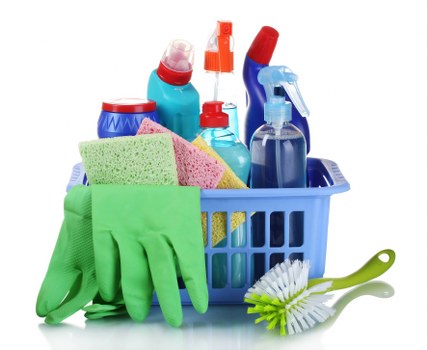
Most homes can handle common stain removal with a simple kit. Consider keeping the following items ready:
- Clean white cloths or paper towels
- Mild liquid detergent
- Baking soda
- White vinegar
- Hydrogen peroxide for select fabrics
- Soft brush or toothbrush
- Cold and warm water
- Stain pretreatment spray
Having these supplies on hand makes stain removal faster and less stressful. A small kit can save many garments and surfaces from permanent damage.
Stain Removal for Clothing
Clothing stains are among the most common household problems, and they often need immediate attention. A spill on a shirt, dress, or pair of pants can seem disastrous, but with proper stain removal techniques, many garments can be restored. The key is to avoid panic and use a method that matches the stain type.
For food and drink stains, start by gently blotting excess liquid with a clean cloth. Rinse the stained area from the back of the fabric if possible, then apply a small amount of liquid detergent or pretreatment spray. Allow it to sit for a few minutes before washing. Check the stain before drying, because heat from the dryer can make stain removal much harder if the mark remains.
For grease stains, sprinkle a small amount of baking soda or cornstarch on the spot to absorb oil. Let it sit, brush it off, then apply dish soap or a grease-fighting detergent. This method is especially useful for restaurant spills, salad dressing, and cooking oil. Proper stain removal for grease often depends on breaking down the oil before laundering.
How to Handle Specific Clothing Stains
- Coffee and tea: Rinse with cool water and pre-treat with detergent.
- Wine: Blot, apply salt if immediate, then treat with detergent or a wine stain solution.
- Ink: Place a towel under the fabric and dab with alcohol-based cleaner if appropriate.
- Blood: Use cold water and gentle soap; avoid heat until the stain is gone.
- Makeup: Use dish soap or a mild degreaser for foundation and lipstick.
Delicate fabrics require extra care. Silk, wool, and rayon may need specialist treatment. If a garment is expensive or sentimental, professional stain removal may be the safest option. Stain removal is most effective when matched to the fabric’s limitations.
Stain Removal for Carpets and Upholstery
Carpet and upholstery stains can be particularly stressful because they affect larger, visible surfaces. The same principles of quick action and gentle blotting apply, but the cleaning approach must also account for padding, dyes, and fabric blends. When handling carpet stain removal, avoid soaking the area. Too much moisture can lead to odor, mold, or backing damage.
Start by removing solids with a spoon or dull edge. Blot liquid stains with a dry cloth, working from the outside toward the center to keep the spot from spreading. Then apply a small amount of cleaning solution, wait briefly, and blot again. Repeat as needed, but always use minimal moisture. Successful carpet stain removal often comes from patience rather than aggressive scrubbing.
Upholstery can be trickier because furniture fabrics vary widely. Some covers are water-safe, while others require dry methods or specialty cleaners. Always check the manufacturer tag if available. For couches, chairs, and cushions, test your stain removal product in a hidden area first. This is especially important for dyed fabrics that may bleed or fade.
Best Practices for Carpet and Fabric Furniture
- Lift debris or solids before applying liquid cleaner.
- Blot with a white cloth to avoid color transfer.
- Use a diluted cleaning solution first.
- Rinse lightly to remove residue.
- Dry thoroughly with ventilation or fans.
Stain removal on carpets and upholstery should always include drying and residue control. Leftover cleaner can attract dirt and create a new stain pattern over time. When done properly, the result is cleaner fibers and a fresher living space.
Stubborn Stains and Advanced Stain Removal
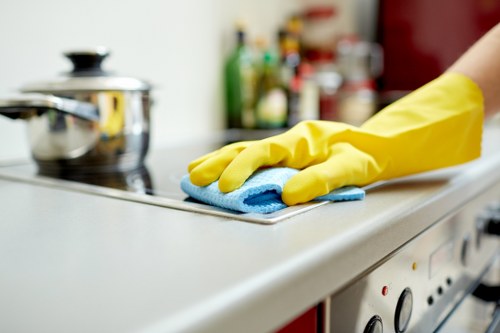
Not every spill comes out with a simple wash. Some stains are stubborn because they contain dyes, oils, or compounds that bond tightly to surfaces. In these cases, advanced stain removal methods may be necessary. The most important rule is to avoid mixing random chemicals. Combining cleaning agents can be unsafe and may damage materials.
For set-in stains, pretreatment is often the best first step. Enzyme cleaners can help with organic stains such as food, sweat, and pet messes. Oxygen-based cleaners may be useful for color-safe whitening on fabrics that can tolerate them. For mineral deposits or hard water marks, a mild acid such as vinegar can sometimes assist stain removal on compatible surfaces.
Another challenge is transfer stains, where dye from one material moves onto another. Red socks in white laundry, dark denim on light upholstery, and markers on desks are common examples. These often require repeated stain removal treatments and careful washing. If one treatment does not work, it may be better to try a different method rather than scrubbing harder.
Hard-to-Remove Stains and Possible Solutions
- Ink: alcohol-based spot treatment or specialty ink remover
- Wine: oxygen cleaner or stain-specific prewash treatment
- Grease: dish soap, enzyme spray, or degreaser
- Rust: rust remover formulated for fabric or surface type
- Paint: depends on paint type; act quickly before it dries
Important: Always verify whether the product is safe for the specific surface. Advanced stain removal works best when the cleaner, fabric, and stain all align properly.
Natural Stain Removal Methods
Many homeowners prefer natural options for stain removal, especially for everyday maintenance. While natural methods are not perfect for every stain, they can be useful for mild spills and routine upkeep. Baking soda, white vinegar, and lemon juice are common household ingredients that can support cleaner results when used correctly.
Baking soda is useful for absorbing odors and lifting some light stains. It can be sprinkled on damp areas or made into a gentle paste. White vinegar can help break down residue and neutralize certain odors, though it should not be used on every surface. Lemon juice offers mild acidity and can brighten some washable fabrics, but it may also affect colorfastness, so caution is important.
Natural stain removal is appealing because it can be affordable and easy to prepare. However, not every stain responds to simple home remedies. For deep discoloration, oil-heavy spills, or delicate fabrics, commercial products may work better. The goal is not to choose between natural and chemical methods but to pick the safest and most effective solution for the situation.
When Natural Methods Work Best
- Fresh, light stains on washable fabrics
- Odor-heavy spills that need deodorizing
- Minor surface marks on hard, compatible materials
- Routine maintenance between deeper cleanings
Used wisely, natural stain removal can be a practical part of your cleaning routine, especially when you want a gentler approach.
Stain Removal Mistakes to Avoid
Even well-intentioned cleaning can make stains worse. One of the most common mistakes is rubbing too hard, which pushes the stain deeper and can damage fibers. Another is applying heat too early. Many stains, especially protein-based ones, become more difficult to remove after exposure to hot water or a dryer cycle.
A second major mistake is using the wrong cleaner for the material. Bleach, for example, can be useful in some cases but harmful on many fabrics and surfaces. Strong chemicals can discolor or weaken materials, so always read labels carefully. Smart stain removal means respecting the limits of the fabric or surface.
People also sometimes over-saturate stains. More liquid does not necessarily mean better cleaning. Excess moisture can spread the stain or seep into hidden layers. Controlled application is a better strategy. Successful stain removal is usually about precision, not force.
Common Errors to Watch For
- Rubbing instead of blotting
- Using hot water on the wrong stain
- Skipping the fabric care label
- Drying before the stain is fully gone
- Mixing incompatible chemicals
By avoiding these mistakes, you improve your chances of removing stains cleanly and safely.
Prevention: The Easiest Form of Stain Removal
The easiest stain to remove is the one that never happens, which is why prevention matters. Simple habits can dramatically reduce how often you need stain removal in the first place. For clothing, wearing aprons during cooking or using napkins strategically during meals can save time later. For furniture and carpets, routine cleaning and protective covers can help manage spills before they become embedded stains.
Quick response is also part of prevention. Keep stain wipes or a small cleaning kit in your kitchen, laundry area, office, or car. If a spill happens, you will be ready to respond immediately. That kind of preparation improves stain removal success because the stain has less time to set.
In addition, regular laundering and periodic deep cleaning help keep fabrics from accumulating dirt that makes new stains harder to treat. When a surface is already grimy, it can be difficult to tell where one stain ends and another begins. Preventive cleaning supports easier stain removal and a more polished appearance overall.
Prevention Tips for Busy Households
- Use placemats and coasters to reduce spills
- Clean messes as soon as they occur
- Wash stained items before they sit for days
- Protect high-traffic furniture and flooring
- Keep stain-safe products in convenient locations
Stain removal becomes much easier when prevention is built into daily routines.
When to Consider Professional Stain Removal
Sometimes, stain removal is best handled by professionals. This is especially true for delicate fabrics, valuable items, large-area stains, or stains that have already been treated multiple times without success. Professional cleaners have access to specialized equipment, stronger but controlled formulas, and experience with different material types.
If the item is expensive, sentimental, or difficult to replace, seeking help can be a smart investment. This includes formalwear, upholstery with unclear care instructions, antique textiles, and specialty rugs. Professional stain removal can also be helpful when the stain has an odor component, such as pet accidents or smoke residue.
Choosing expert help does not mean you failed. It means you are protecting the item and increasing the chance of recovery. In many cases, professional stain removal saves time, prevents damage, and restores a surface more effectively than repeated home attempts.
Book your service now if you are dealing with a stubborn stain that will not respond to household methods. If the stain is serious or the material is delicate, contact us today to take the next step toward a cleaner result.
Final Thoughts on Stain Removal
Stain removal does not need to feel overwhelming. With the right knowledge, a calm approach, and a few dependable cleaning supplies, you can handle many common spills before they become permanent problems. The most effective stain removal strategies are often simple: identify the stain, act quickly, use the correct method, and avoid common mistakes.
Whether you are treating a shirt, a rug, a sofa, or a countertop, good stain removal is about protecting your space and preserving the things you use every day. By learning how different stains behave and how various materials respond, you can save money and reduce stress. That is the power of smart stain removal: cleaner surfaces, longer-lasting items, and better results with less effort.
For ongoing maintenance, keep a small stain removal kit nearby and remember that each spill is easier to manage when it is fresh. If a stain proves too stubborn or the material is too delicate, professional help is a practical solution. Contact us today for support, or book your service now when you need expert care for challenging stain removal tasks.
Stain removal is a skill worth having, and the more you practice it, the easier it becomes. With the right mix of prevention, patience, and proper products, you can keep your home, fabrics, and furnishings looking their best.